Top 5 Roofing Regulations Every Texas Homeowner Knows
Learn about essential roofing regulations in Texas that every homeowner should be aware of to ensure compliance and safety.
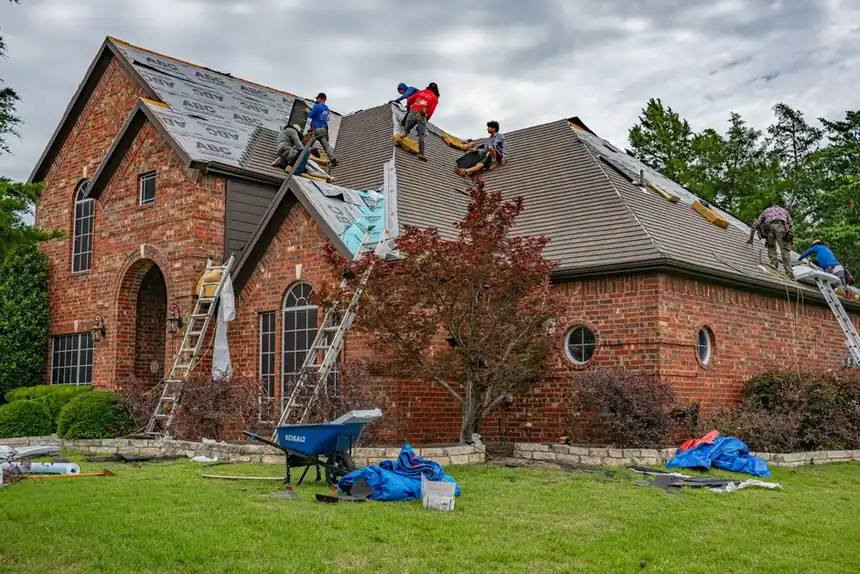
Roofing regulations in Texas are critical for ensuring safety, quality, and durability in roofing projects. Homeowners must understand these regulations to avoid legal issues and protect their investments. This article covers the top five roofing regulations that every homeowner in Texas should know.
What are roofing regulations in Texas?
Roofing regulations in Texas are a set of laws and guidelines that govern the construction, repair, and maintenance of roofs. These regulations ensure that roofing work meets safety standards and protects the integrity of homes.
1. Building Codes
Building codes in Texas dictate the minimum standards for construction, including roofing. These codes vary by city and county, but they generally encompass materials, installation methods, and structural integrity. For instance, roofs in areas prone to severe weather must adhere to stricter standards to withstand high winds and heavy rain.
In Houston, for example, the local building codes require roofs to be capable of withstanding wind speeds of up to 130 mph. Homeowners should check with their local building department to understand specific requirements applicable to their area.
2. Permits and Inspections
Most roofing projects in Texas require permits to ensure compliance with local building codes. Obtaining a permit typically involves submitting plans and specifications to the local authority. Inspections may also be mandated during and after the roofing work to verify that it meets the established codes.
For example, if you are considering a roof replacement in Austin, you will need to apply for a permit and schedule inspections at various stages of the project. Failing to obtain the necessary permits can result in fines and complications when selling your home.
3. Insurance Requirements
Texas law requires roofing contractors to carry liability insurance to protect homeowners from potential damages during a project. This insurance covers accidents that may occur on the job site, such as injuries to workers or damage to neighboring properties.
Homeowners should always request proof of insurance before hiring a contractor. This step ensures that you are protected in case of any mishaps. Additionally, some areas may have specific insurance requirements, so it's wise to verify local regulations.
4. Warranty Regulations
Warranties for roofing materials and labor are also regulated in Texas. Homeowners should be aware of the terms and conditions of any warranties provided by manufacturers or contractors. For instance, many roofing materials come with a warranty that covers defects for a specified period, typically ranging from 20 to 50 years.
It's essential to understand what is covered under warranty and the steps necessary to maintain that coverage. Some warranties may require regular inspections or maintenance, which can influence your long-term costs.
5. Environmental Considerations
Texas has environmental regulations that impact roofing projects, particularly concerning waste disposal and material selection. Homeowners are encouraged to choose sustainable materials and ensure proper disposal of old roofing materials.
In cities like Austin, there are incentives for using environmentally friendly roofing options, such as reflective materials that can reduce energy costs. Understanding these regulations can help you make informed choices that benefit both your home and the environment.
Common mistakes to avoid
Many homeowners make mistakes regarding roofing regulations, which can lead to costly fines or unsafe conditions. Here are a few common pitfalls:
- Neglecting to obtain necessary permits.
- Hiring unlicensed or uninsured contractors.
- Ignoring warranty requirements.
- Failing to comply with local building codes.
To avoid these issues, always research and verify the credentials of contractors and understand the regulations in your area.
When to call a professional
If you are unsure about roofing regulations or need assistance with a project, contacting a professional is advisable. Select Your Roof can help you navigate local regulations and ensure your roofing project complies with all requirements.
Frequently Asked Questions
1. What permits are required for roofing in Texas? Most roofing projects require a building permit, which can vary by city. Homeowners should check with their local building department for specific requirements.
2. Do I need a licensed contractor for roofing work? Yes, Texas law requires roofing contractors to be licensed and insured to protect homeowners from potential liabilities.
3. How can I ensure my roof meets local codes? Consult with your local building authority and hire a licensed contractor familiar with the codes in your area.
4. What should I do if my contractor doesn't follow regulations? Report the contractor to your local licensing board and consider seeking legal advice if necessary.
5. Are there environmental regulations for roofing materials? Yes, Texas encourages the use of sustainable materials and proper disposal of roofing waste. Check local regulations for specific guidelines.