How Texas Weather Impacts Your Roof's Lifespan
Learn how Texas weather influences your roof's lifespan, from heat and humidity to storms and hail, and how to maintain it effectively.
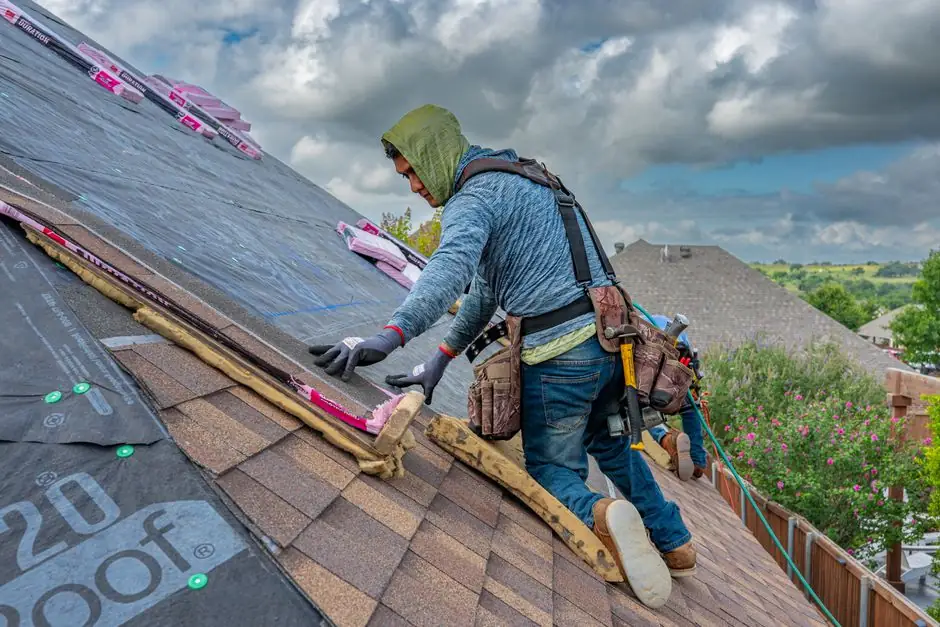
Texas weather significantly impacts the lifespan of your roof. Extreme temperatures, heavy rain, and hail can all contribute to wear and tear. This article explores how these factors affect roofing materials and offers practical maintenance tips to extend your roof's life.
Roof lifespan is the duration a roofing material can effectively protect your home before it requires replacement or major repairs. In Texas, the lifespan can vary widely due to the state's diverse climate conditions.
How does Texas weather affect roof lifespan?
The hot and humid climate in Texas can lead to accelerated aging of roofing materials. For instance, asphalt shingles may last 15-20 years in cooler climates, but in Texas, they might only last 10-15 years due to heat and UV exposure. Additionally, the frequent storms and hail can cause immediate damage, necessitating repairs or replacements sooner than expected.
What are the seasonal challenges for roofs in Texas?
Texas experiences distinct seasons, each bringing unique challenges for roofing. Summer heat can cause materials to expand and contract, leading to cracks and leaks. During winter, occasional ice storms can weigh down roofs, especially if debris accumulates. Spring storms often bring heavy rain and hail, which can be particularly damaging.
Summer challenges
- High temperatures can cause shingles to curl and crack.
- UV rays can degrade roofing materials over time.
- Increased humidity may lead to mold growth.
Winter challenges
- Ice accumulation can create dangerous icicles and add weight to roofs.
- Freezing temperatures may cause materials to become brittle.
- Fluctuating temperatures can lead to thermal expansion and contraction.
Spring and fall challenges
- Heavy rains can lead to leaks and water damage.
- Hail can cause significant damage to shingles and other roofing materials.
- Wind can lift shingles, leading to further exposure and damage.
How to maintain your roof in Texas weather?
Regular maintenance is crucial for extending the lifespan of your roof in Texas. Here are some essential tips:
- Schedule annual roof inspection services Texas to identify potential issues early.
- Clean gutters regularly to prevent water backup and damage.
- Trim overhanging branches to reduce debris accumulation and potential damage during storms.
- Address any minor repairs immediately to prevent larger issues.
Understanding the specific needs of your roofing material can also help. For example, metal roofs may require different maintenance than asphalt shingles.
Common mistakes in roof maintenance
Homeowners often make several common mistakes that can shorten their roof's lifespan:
- Neglecting regular inspections and maintenance.
- Ignoring small leaks until they become major problems.
- Using improper materials for repairs.
- Not considering the local climate when choosing roofing materials.
These mistakes can lead to significant costs and repairs down the line. Ensuring you follow proper maintenance protocols is essential.
When to call a professional for roofing services?
It's advisable to call a professional when you notice signs of damage, such as leaks, missing shingles, or significant wear. Selecting a qualified contractor for roof repair services Texas can ensure that repairs are done correctly and safely. Regular professional inspections can also help catch issues before they become severe, saving you money in the long run.
Frequently Asked Questions
How often should I inspect my roof in Texas? Regular inspections should be conducted at least once a year, ideally before and after the storm season.
What roofing materials last the longest in Texas? Metal roofs typically last 40-70 years, while clay tiles can last 50 years or more, making them great options for Texas homeowners.
How much does roof repair cost in Texas? Typical costs for roof repairs in Texas range from $300 to $1,500, depending on the extent of the damage and materials needed.
Can I perform roof maintenance myself? While minor tasks like cleaning gutters can be done by homeowners, significant repairs should be handled by professionals to ensure safety and compliance with local codes.
What should I do after a severe storm? After a storm, inspect your roof for visible damage and contact a professional for a thorough inspection and necessary repairs.